

French Patio Door Repairs
Add a review FollowOverview
-
Founded Date February 23, 1908
-
Sectors Mechanic/Technician
-
Posted Jobs 0
-
Viewed 13
Company Description
Guide To French Door Damage: The Intermediate Guide Towards French Door Damage
Understanding French Door Damage: Causes, Solutions, and Prevention
Sliding French Door Repairs doors are a gorgeous addition to any home, using a classy transition in between indoor and outdoor areas while permitting an abundance of natural light to stream through. Unfortunately, these sensational doors can also experience different types of damage over time. This article intends to offer an extensive understanding of the common issues related to French doors, their causes, prospective options, and preventive steps.
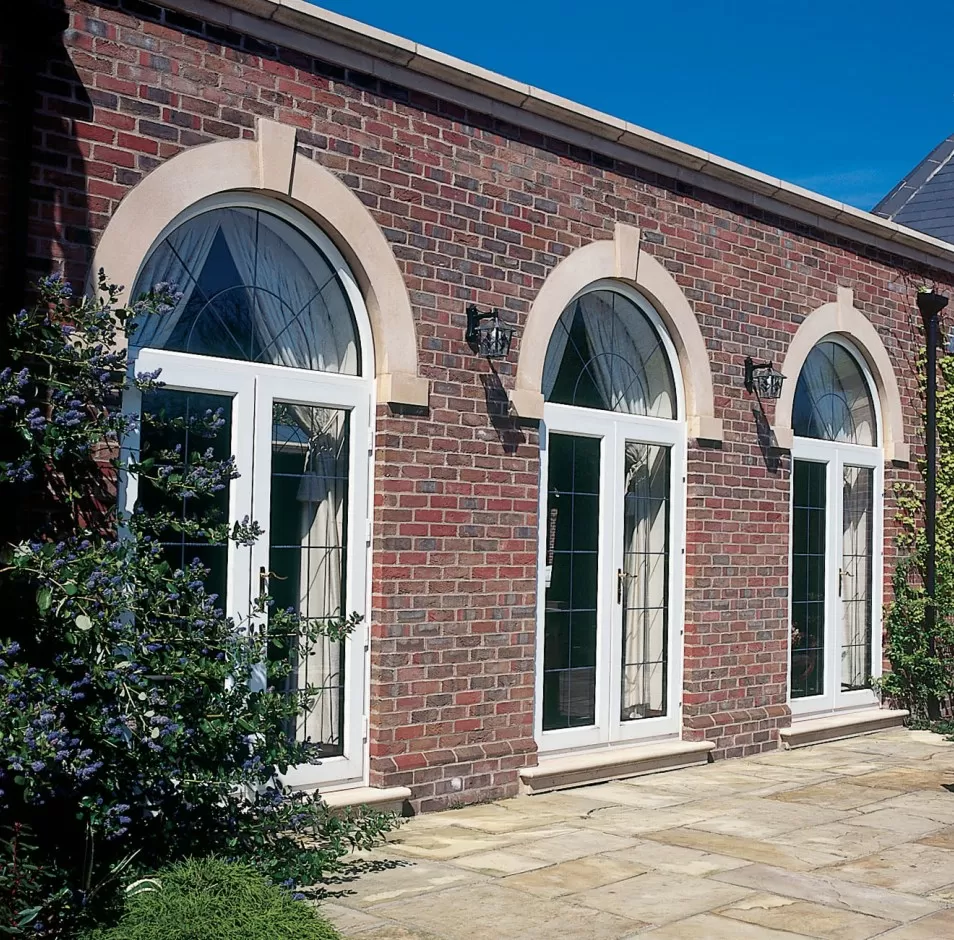
Common Types of French Door Damage
Damage to French doors can manifest in numerous kinds, each coming from different causes. Understanding these issues can help property owners address them better.
| Type of Damage | Description | Common Causes |
|---|---|---|
| Warping | Distortion that impacts the door’s alignment. | Humidity, temperature level changes, bad installation. |
| Broken or Split Frames | Visible fractures in the wood or product. | Age, effect, or extended exposure to wetness. |
| Failed Seals | Separation in the glass panes jeopardizing insulation. | Weather condition changes, wear and tear, poor manufacturing. |
| Broken Hardware | Malfunctioning hinges, locks, or handles. | General wear, incorrect use, or installation issues. |
| Scratches and Dings | Surface imperfections that interfere with aesthetic appeals. | Accidental bumps, pets, or inappropriate cleaning tools. |
| Glass Damage | Fractures, chips, or shattering in the glass panes. | Impact, temperature changes, or producing problems. |
The Causes of French Door Damage
-
Ecological Factors
Humidity and varying temperature levels can significantly impact the stability of your French Door Naintenance Tips doors. Wooden doors, in specific, are prone to warping and moisture damage throughout extreme weather condition conditions. -
Improper Installation
Inaccurate installation can cause misalignment, which might cause doors to stick or not close correctly. Inadequate sealing or poor-fitting frames can also intensify problems like wetness invasion. -
Aging Materials
Similar to any part of a home, age can lead to wear and tear. Older frames, particularly those made from wood, may develop fractures or become weaker structurally over time. -
Physical Impact
Regular wear and tear, consisting of unexpected bumps from pets, furniture, or children, can lead to scratches, dings, or perhaps structural damage. -
Lack of Maintenance
Disregarding regular examinations and maintenance can allow small issues to intensify into major issues.
Solutions for French Door Damage
Depending upon the type of damage sustained, various options can be applied:
1. Warping
- Adjustment: Often, adjustments can be made to the hinges or the door frame to straighten the door.
- Replacement: In extreme cases, replacing the door may be required.
2. Split or Split Frames
- Wood Repair Epoxy: This can fill fractures and bring back stability.
- Replacement: For comprehensive damage, it may be more viable to change the afflicted frame.
3. Failed Seals
- Re-Sealing: A professional can replace the seals, making sure that your doors are energy efficient when again.
4. Broken Hardware
- Repair or Replacement: Hinges, locks, and handles may be repaired, but if they are beyond repair, replacement is the best option.
5. Scratches and Dings
- Sanding and Refinishing: Light surface damage can typically be fixed with sanding and applying a protective finish.
- Touch-Up Paint: For painted doors, utilizing a matching paint to cover scratches can bring back looks.
6. Glass Damage
- Glass Replacement: For chips or fractures, changing the glass is normally the finest solution. Contact a professional for security and effectiveness.
Preventive Measures for French Door Health
Preventing damage to French doors is constantly better than needing to fix it. Here are some preventive procedures house owners can take:
| Preventive Measure | Description |
|---|---|
| Regular Maintenance Checks | Inspect hinges, locks, and seals a minimum of bi-annually. |
| Environment Control | Use dehumidifiers or maintain steady indoor temperature levels. |
| Suitable Cleaning Techniques | Usage gentler cleansing products and techniques to avoid scratches. |
| Seal and Insulate | Frequently check and replace seals to prevent moisture. |
| Set Up Protective Barriers | Think about grills or screens to prevent impacts from pets/children. |
| Paint and Finish | Regularly repaint or use surface to safeguard versus elements. |
Frequently Asked Questions About French Door Damage
1. What is the very best material for French doors to avoid damage?
Fiberglass and vinyl are excellent alternatives to wood due to their resistant homes against moisture and warping.
2. How can I inform if my French Door Installation doors are appropriately sealed?
Inspect for drafts near the door frame, condensation between glass panes, or signs of water damage.
3. Is it safe to repair glass damage on my own?
Glass repairs can be harmful. It is a good idea to contact a professional for such repairs.
4. How frequently should I keep my French doors?
Routine maintenance checks every six months and cleansing as needed will assist lengthen their life.
5. Can I utilize routine household cleaners on my French Door Glass doors?
Prevent abrasive cleaners; instead, select gentle, non-abrasive cleaning items to secure the surface.
Comprehending the types of French door damage, their causes, and efficient services can significantly improve the durability of these stunning features in your house. By investing time in proper maintenance and executing preventive measures, homeowners can take pleasure in the beauty of French doors for several years to come. Well-kept French doors not just elevate the aesthetic appeal of a home but also contribute to its energy performance and general worth.