

Buy Quality Counterfeit Money
Add a review FollowOverview
-
Founded Date March 6, 1919
-
Sectors Bank/ Non-Bank Fin. Institution
-
Posted Jobs 0
-
Viewed 40
Company Description
Counterfeit Notes: 10 Things I’d Loved To Know Earlier
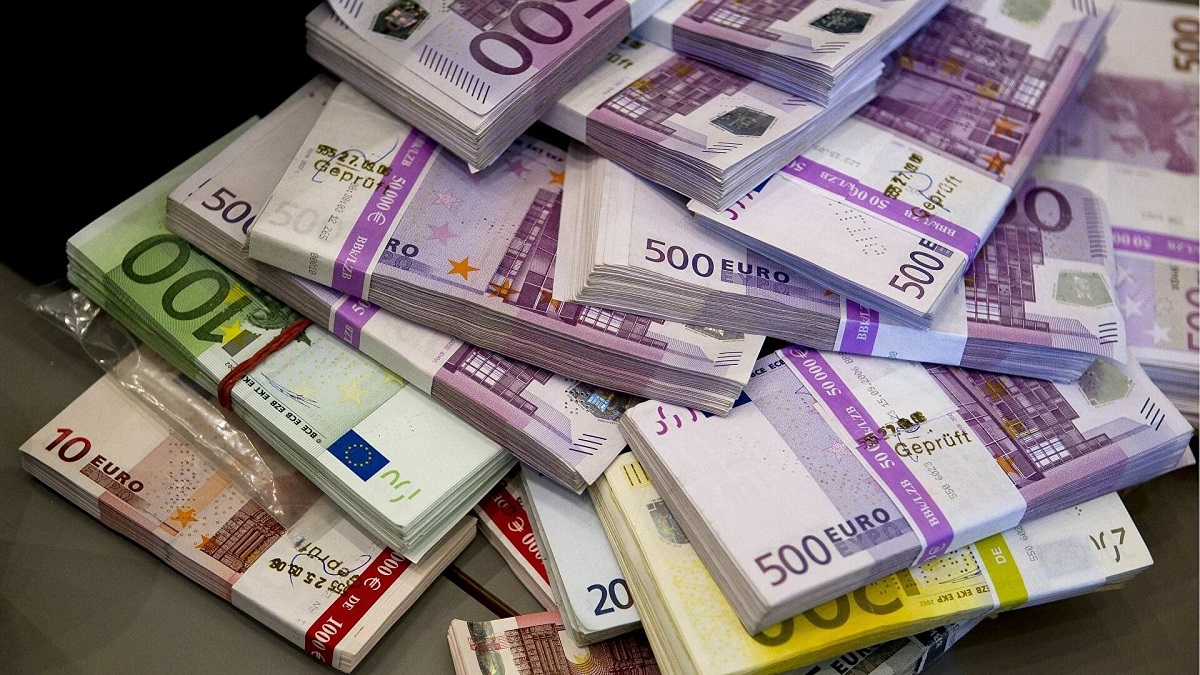
Understanding Counterfeit Notes: A Comprehensive Overview
Counterfeit currency is a considerable issue for economies worldwide. The production and circulation of fake notes can lead to extreme monetary losses, weaken public trust in the monetary system, and contribute to bigger financial issues like inflation and crime. This post aims to provide a useful exploration of counterfeit notes, their implications, and preventative measures that people and organizations can take.
The Anatomy of Counterfeit Notes
Counterfeit notes are fake currency that attempts to imitate genuine currency to deceive individuals into accepting them as legal tender. They can differ widely in quality, from inadequately made copies to sophisticated recreations that can trick lots of people.
Table 1: Characteristics of Genuine vs. Counterfeit Notes
| Feature | Real Notes | Counterfeit Notes |
|---|---|---|
| Watermark | Visible, particular to denomination | Frequently inadequately replicated or missing out on |
| Security Thread | Embedded and visible | Frequently simply printed on the surface |
| Microprinting | Clear and readable at assessment | Blurred or illegible |
| Holograms | Bright and moving in color | Dull, sometimes non-existent |
| Color-Shifting Ink | Modifications with angle | Often flat and consistent |
The Rise of Counterfeit Currency
Counterfeiting has actually been around for centuries, however developments in technology have actually made it easier for counterfeiters to produce high-quality replicas. Here are a few of the most typical methods utilized by counterfeiters:
-
Digital Printing: With high-quality printers and scanners, counterfeiters can develop remarkably accurate reproductions of banknotes.
-
Your Everyday Photocopier: Even basic copy machines can be used to replicate lower denominations, especially when the quality is not inspected carefully.
-
Physical Production: Some counterfeiters go to terrific lengths to produce notes that closely match the texture and feel of real currency, consisting of the usage of specialized ink and paper.
Economic Impact of Counterfeit Currency
The monetary implications of counterfeit currency are rather major. According to the U.S. Department of the Treasury, in 2022, an approximated ₤ 200 million worth of counterfeit notes were in circulation in the United States alone. While this figure might seem small compared to the trillions in flow, it has extensive impacts:
- Loss of Revenue: Governments and organizations incur losses whenever fake currency is accepted without detection.
- Trust Erosion: Widespread counterfeiting can lead to a basic distrust in currency, impacting everything from consumer costs to investment decisions.
- Inflationary Pressure: The intro of counterfeit bills can cause a boost in the money supply without a corresponding increase in products and services, adding to inflation.
Table 2: Economic Effects of Counterfeit Currency
| Effect | Description |
|---|---|
| Earnings Loss | Services lose money when fake notes are accepted |
| Increased Law Enforcement Costs | Government spends more to fight counterfeiting |
| Public Distrust | Disintegration of rely on the currency system |
| Price Inflation | Boost in money supply can cause inflation |
Identifying Counterfeit Notes
Awareness and education are crucial to combating counterfeiting. Here are some suggestions for determining counterfeit notes:
-
Check the Watermark: Genuine notes have particular watermarks that show up when held up to light.
-
Feel the Note: Real currency has an unique texture that can be felt through tactile inspection.
-
Look for Color-Shifting Ink: Tilt the note to observe any color changes in the ink.
-
Take a look at Microprinting: Inspect little text on the note which need to be clear and clear on genuine currency.
-
Usage Detection Tools: Various gadgets, such as ultraviolet lights, can assist in verifying the credibility of notes.
Preventative Measures Against Counterfeiting
Organizations and individuals can do something about it to minimize the danger of accepting counterfeit notes:
- Educate Employees and Customers: Providing training on how to identify fake notes can reduce threats.
- Use Counterfeit Detection Tools: Invest in UV light detectors or digital counterfeit detectors.
- Implement Strict Cash Handling Protocols: Establish a policy for checking notes before acceptance.
- Report Suspected Counterfeits: Inform regional authorities or monetary organizations about any counterfeit notes.
Frequently asked question Section
Q1: How can I report a counterfeit note?A1: You can report counterfeit notes to regional police or straight to the nearest branch of the U.S. Secret Service or your nation’s equivalent. Q2: What should I do if I get a counterfeit note?A2: Do not return it to the person who offered it to you
. Instead, secure the note and report it to police. Q3: falschgeld kaufen Online Are certain denominations more typically counterfeited?A3: Yes, lower
denominations(like ₤ 20 and ₤ 50 bills)are more most likely to be counterfeited as they are frequently utilized in everyday transactions. Q4: Can I decline to accept cash?A4: Yes, organizations have the right to decline cash deals and can enforce this policy as long as it is communicated to customers. Q5
: What improvements are in place to combat counterfeiting?A5: Governments and banks continuously upgrade currency designs to integrate new
security features and technologies to stay ahead of counterfeiters. Counterfeit notes provide a substantial risk to both individuals and organizations. Comprehending how to recognize counterfeit currency, recognizing its economic impacts, and embracing preventative
measures can substantially minimize the dangers connected with fake notes. With continuous education and technological developments in security, the battle versus counterfeiting continues to progress, assisting preserve the stability of national currencies.