

Hob Extractor
Add a review FollowOverview
-
Founded Date October 22, 1933
-
Sectors HR/Org. Development
-
Posted Jobs 0
-
Viewed 22
Company Description
17 Reasons Not To Beware Of Chimney Cooker Hood
A Comprehensive Guide to Chimney Cooker Hoods: Elevate Your Kitchen Experience
In modern kitchens, performance and style typically work together. One vital appliance that melds these two aspects magnificently is the chimney cooker hood. As property owners aim for a clean, efficient cooking environment, chimney cooker hoods stand out as popular choices. In this article, we will explore what chimney cooker hoods are, their features, installation factors to consider, upkeep, and why they may be the best addition to your cooking space.
What is a Chimney Cooker Hood?
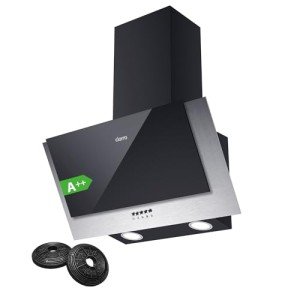
Chimney cooker hoods, typically described as extractor hoods or range hoods, are ventilation systems mounted above cooking surface areas to extract smoke, odors, steam, and grease produced during cooking. Their style frequently resembles a chimney, making them aesthetically appealing and a centerpiece in lots of kitchens.
Table 1: Key Components of a Chimney Cooker Hood
| Element | Description |
|---|---|
| Ducting | Accountable for transferring air to the outside or through a filter. |
| Filter | Captures grease and particles; can be metal (washable) or charcoal (changeable). |
| Fan/Blower | Draws air from the kitchen and expels it outdoors or recirculates it. |
| Light | Frequently integrated to brighten the cooking surface. |
| Control board | Enables users to change settings such as fan speed and lighting. |
Advantages of Chimney Cooker Hoods
Installing a chimney cooker hood offers numerous advantages that improve both the cooking experience and overall kitchen atmosphere.
-
Improved Air Quality: By effectively eliminating smoke, steam, and smells, these hoods considerably enhance the kitchen’s air quality.
-
Visual Appeal: With different styles, finishes, and designs, chimney hoods can act as an elegant focal point in the kitchen.
-
Enhanced Comfort: By decreasing heat and humidity levels throughout cooking, chimney hoods produce a more comfortable working environment.
-
Grease Reduction: They help keep the kitchen clean by lowering grease accumulation on surface areas and home appliances.
-
Versatile Installation Options: Chimney cooker hoods can be set up as wall-mounted or island options, accommodated the kitchen layout.
Table 2: Comparison of Chimney Hood Types
| Type | Ducted | Ductless |
|---|---|---|
| Air Filtration | Filters and vents air outside. | Uses filters to recirculate air. |
| Setup Cost | Usually greater due to ductwork. | Lower, as no duct installation is required. |
| Upkeep | Ducts need cleaning occasionally. | Filters require routine replacement. |
| Efficiency | Superior in air quality management. | Might not remove all odors efficiently. |
Functions to Consider
When picking a chimney cooker hood, several functions should be taken into account to ensure that it fulfills your cooking requirements and visual choices.
CFM Rating
The cubic feet per minute (CFM) score shows how much air the hood can move. A higher CFM is perfect for bigger kitchens or if you often prepare with high heat.
Sound Level
Determined in sones, consider a quieter model if you have an open kitchen or spend long durations cooking.
Controls
Search for intuitive controls, whether they are push-button, touch, or remote-controlled, to ensure ease of use.
Lighting
Integrated lighting can improve exposure while cooking; LED lights are energy-efficient and long-lasting.
Style
Choose a style that complements your kitchen style, whether modern, contemporary, or conventional.
Installation Considerations
Installing a chimney cooker hood involves cautious planning and factor to consider. Here are some vital points to keep in mind:
-
Height: The hood needs to be positioned at an optimal height above the cooking surface– typically in between 24 to 30 inches for gas stoves and 20 to 24 inches for electric stoves.
-
Ducting: For ducted models, make sure that a suitable path for ducting exists. Think about hiring a professional for the setup.
-
Power Supply: Verify that there is a close-by power outlet that meets the hood’s voltage requirements.
-
Size: The hood should be at least as large as the cooking surface area to capture all fumes successfully.
FREQUENTLY ASKED QUESTION
1. How often should the filters be altered?
- It is recommended to clean metal filters every 1-2 months and change charcoal filters every 6 months to guarantee optimum efficiency.
2. Can I install a chimney cooker hood myself?
- While it’s possible for handy individuals, professional setup is recommended, especially for ducted designs.
3. What is the ideal CFM for my chimney hood?
- A CFM ranking of 300-600 is normally adequate for many home cooking requirements. If you regularly cook with high heat, consider higher CFM ratings.
4. How do I tidy my chimney cooker hood?
- Clean the exterior frequently with a damp fabric and mild cleaning agent. For filters, inspect the manufacturer’s guidelines on how to clean or change them.
5. Are chimney hoods energy-efficient?
- Numerous modern chimney hoods are developed to be energy-efficient, especially those with LED lighting and variable speed settings.
Upkeep Tips
To ensure your chimney cooker hood operates effectively, follow these maintenance tips:
-
Regular Cleaning: Clean the outside and interior surface areas regularly to prevent grease accumulation. Utilize a cleaner appropriate for your hood’s surface.
-
Filter Maintenance: Clean metal filters monthly and change charcoal filters as needed.
-
Examine Ductwork: Inspect ducts periodically to remove any blockages; this will help maintain optimum air flow.
-
Professional Servicing: Consider yearly examinations or maintenance by a certified technician.
Chimney cooker hoods are an excellent investment for any kitchen, supplying enhanced air quality, aesthetic appeal, and overall cooking comfort. By considering the essential components, benefits, functions, and maintenance included, house owners can make informed choices that will raise their cooking experience. Investing in the right chimney cooker hood not only enhances the functionality of the kitchen but likewise includes a touch of modern beauty that can revitalize the whole area. Whether you’re a casual cook or a culinary lover, a chimney cooker hood makes certain to be a valuable addition to your home.