

30 Ft Shipping Containers
Add a review FollowOverview
-
Founded Date April 15, 1919
-
Sectors Production/Operation
-
Posted Jobs 0
-
Viewed 1
Company Description
What NOT To Do In The 30 Foot Containers Industry
Understanding 30-Foot Containers: A Comprehensive Guide
When it concerns shipping, storage, or building, containers are an essential element of logistics and infrastructure. Amongst the various sizes available, the 30-foot container stands apart for its unique blend of capability and maneuverability. This blog site post aims to explore the specs, advantages, applications, and responses to often asked concerns relating to 30-foot containers.
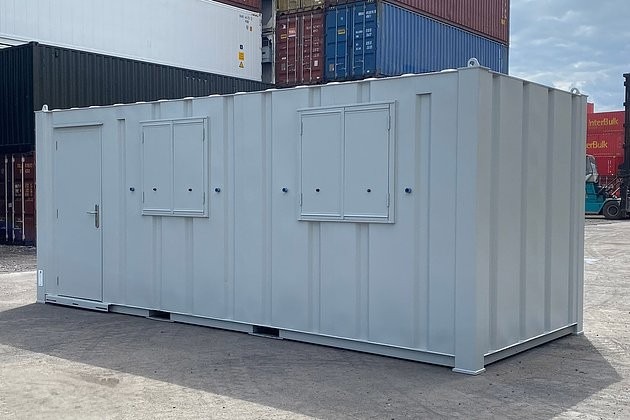
What is a 30-Foot Container?
A 30-foot container is essentially a rectangular shipping container that determines 30 feet in length. Readily available in a number of types– including standard dry, cooled (reefer), open-top, and flat rack– these containers use versatile solutions for various markets. Here’s a quick breakdown of standard dimensions:
| Container Type | Length (ft) | Width (ft) | Height (ft) | Max Weight (pounds) |
|---|---|---|---|---|
| Standard Dry Container | 30 | 8 | 8.5 | 67,200 |
| Refrigerated Container (Reefer) | 30 | 8 | 9.5 | 67,200 |
| Open-Top Container | 30 | 8 | 8.5 | 67,200 |
| Flat Rack Container | 30 | 8 | 8.5 | 67,200 |
Benefits of 30-Foot Containers
1. Ideal Size for Various Applications
The 30 Foot Shipping Container Cost (Www.Ilenestrople.Top)-foot measurement strikes a balance in between space and portability, making it appropriate for various applications– from property storage to short-term office.
2. Cost-efficient Solution
In numerous scenarios, a 30-foot container can frequently be more economical than larger containers, offering an exceptional cost-to-space ratio for services or personal needs.
3. Transportation Versatility
30-foot containers are frequently compatible with numerous transportation modes, including truck and rail transport. This flexibility alleviates logistics management and scheduling.
4. Security and Durability
Built from high-strength steel, these containers are robust and developed to endure the rigors of transportation and extreme weather, making sure that the contents remain secure.
5. Personalization Options
Lots of providers offer customization alternatives for 30-foot containers, including ventilation, lighting, shelving, and insulation– ideal for creating specific environments.
Typical Applications of 30-Foot Containers
30-foot containers serve various industries and usages. Here are some of the most common applications:
- Storage Solutions: Ideal for companies trying to find extra storage area, they can hold tools, inventory, or equipment.
- Modular Construction: Frequently utilized in constructing temporary or long-term structures, these containers can be transformed into housing, workplaces, or retail areas.
- Occasion Management: They can function as portable storage options for occasions, housing devices and materials.
- Disaster Relief: In emergency situations, these containers can be rapidly released to supply shelter or storage for supplies.
- Shipping Goods: Ideal for shipping extra-large products, these containers help organizations optimize logistics.
FAQ: 30-Foot Containers
What can you suit a 30-foot container?
A 30-foot container can hold roughly 1,200 square feet of storage space or roughly 30 standard pallets.
Just how much does a 30-foot container weigh?
The weight of an empty 30-foot container usually ranges around 5,500 pounds, while it can support a maximum load of about 67,200 pounds.
Where can I purchase or rent a 30-foot container?
You can obtain 30-foot containers from shipping business, container rental services, or online marketplaces concentrating on cargo containers.
Are there any unique transportation considerations?
Yes, it’s important to think about the weight of the container and its load when setting up transportation. Ensure that trucks or trailers can handle the combined weight within legal limits.
How can I tailor my 30-foot container?
Modification options can differ by supplier but may include adding windows, doors, insulation, and electrical systems. Discuss your requirements with your container provider for specific solutions.
30-foot containers are a useful solution for a varied range of needs– spanning from shipping and storage to construction and emergency situation management. The mix of adequate area, cost-effectiveness, transportation adaptability, and the ability to personalize makes them a popular choice among organizations and people alike.
By comprehending the requirements, benefits, and different applications of 30-foot containers, users can make educated decisions that will fulfill their specific requirements. As logistics continues to evolve, containers play a progressively important role in assisting in effective and efficient operations throughout numerous sectors. For anyone thinking about investing in or making use of a 30-foot container, this thorough guide acts as a valuable resource, assisting navigate the lots of aspects of container use.