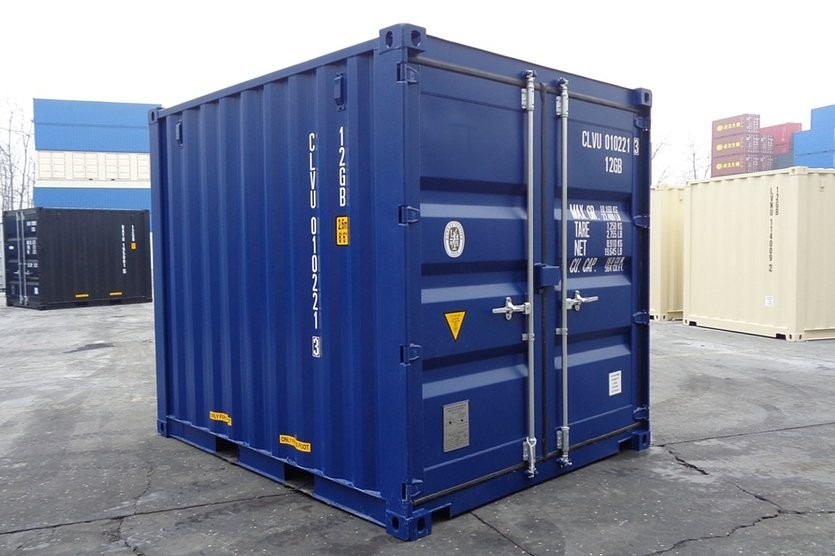

30 Foot Container New
Add a review FollowOverview
-
Founded Date July 21, 1990
-
Sectors Security/Support Service
-
Posted Jobs 0
-
Viewed 2
Company Description
See What 30 Foot Shipping Container Tricks The Celebs Are Using
Understanding the Cost of a 30-Foot Shipping Container
Shipping containers have actually ended up being significantly popular for a variety of purposes, from storage and transportation to special homes and offices. Amongst the various sizes readily available, the 30-foot shipping container provides a versatile service for those requiring a bit more space without committing to a full-sized 40-foot container. This article will check out the expenses related to acquiring or leasing a 30-foot shipping container, along with aspects that affect these rates, choices for modification, and practical factors to consider for possible buyers.
Introduction of Shipping Container Costs
Before diving into particular costs, it’s vital to understand the general market for shipping containers. The price of a shipping container can differ considerably based upon several factors, including age, condition, place, and market need.
Average Cost of a 30-Foot Shipping Container
Here’s a rough breakdown of the common cost range for acquiring a new and secondhand 30-foot shipping container:
| Type | Typical Cost | Price Range |
|---|---|---|
| New Container | ₤ 3,000 – ₤ 5,000 | ₤ 2,500 – ₤ 6,000 |
| Utilized Container | ₤ 2,000 – ₤ 3,500 | ₤ 1,500 – ₤ 4,000 |
Factors Influencing Cost
Numerous factors can affect the price of 30 Foot Shipping Container-foot shipping containers:
-
Age and Condition: New containers will always cost more than used ones. Nevertheless, the condition of a used container can considerably influence its price. A one-trip container (used just once to deliver goods) will be priced greater than an older, weathered unit.
-
Location: Prices can differ by region due to transportation expenses and regional market need. For example, metropolitan areas with high need may see higher rates.
-
Personalization: Buyers searching for modified containers (with insulation, windows, doors, and so on) can anticipate to pay significantly more, depending upon how substantial the adjustments are.
-
Shipping Costs: If purchasing from a distant provider, purchasers must consider shipping expenses, which can add significantly to the overall price.
-
Market Conditions: External aspects such as economic conditions and trade policies can impact container accessibility and rates.
Renting Versus Buying
When pondering a 30-foot shipping container, one vital decision is whether to rent or buy. Each option features its benefits and disadvantages.
Cost Comparison Table
| Choice | Pros | Cons | Common Cost |
|---|---|---|---|
| Buying | – Long-term investment – Ownership of the container – No ongoing rental fees |
– Higher in advance cost – Maintenance responsibilities |
₤ 2,500 – ₤ 6,000 (purchase) |
| Renting | – Lower initial cost – Flexibility for short-term requirements – No maintenance required |
– No ownership – Ongoing payments build up |
₤ 100 – ₤ 300/month (rental) |
The decision will mainly depend upon the intended usage. For one-time tasks or short-term storage, renting might be the very best choice. Alternatively, for services requiring consistent storage, buying may be more cost-effective in the long run.
Customization Options for 30-Foot Containers
One of the distinct advantages of using a 30-foot shipping container is the ability to customize it to fit specific needs. Below is a list of popular personalization options:
- Insulation: Essential for environments with severe temperature levels to maintain a stable internal environment.
- Windows and Doors: Adding windows and multiple access points can improve usability and comfort, particularly for living and working areas.
- Electrical and Plumbing: Configuring a container for electrical energy or plumbing makes it appropriate for a variety of usages, from homes to workplaces.
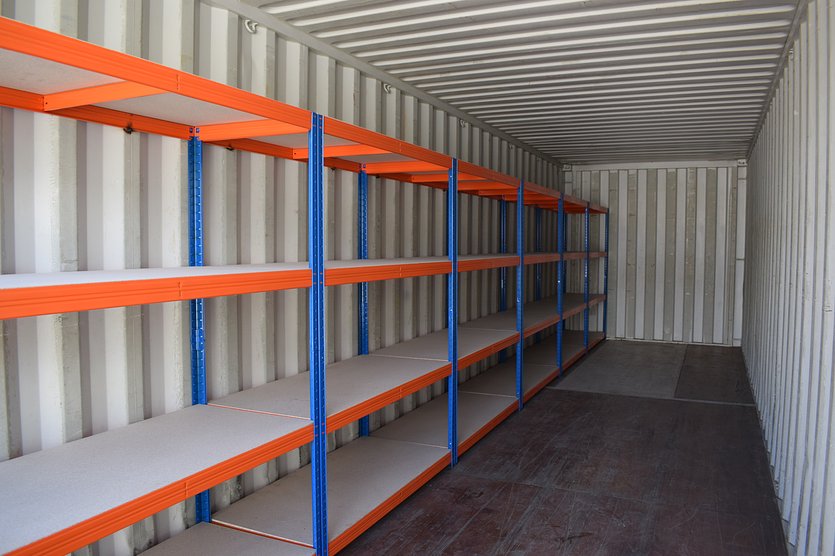
- Interior Outfitting: Shelving and environment controls can turn a storage container into a fully functional work space.
- Paint and Aesthetics: Custom paint tasks can help your container fit into its environments or boost brand name identity.
Approximated Costs for Customizations
The cost of adjustments can vary significantly based on complexity and products but normally falls into the following varieties:
| Customization Type | Approximated Cost |
|---|---|
| Insulation | ₤ 300 – ₤ 1,000 |
| Windows and Doors | ₤ 500 – ₤ 2,000 |
| Electrical Setup | ₤ 500 – ₤ 1,500 |
| Plumbing Setup | ₤ 700 – ₤ 2,500 |
| Interior Outfitting | ₤ 1,000 – ₤ 5,000 |
| Paint and Aesthetics | ₤ 300 – ₤ 1,000 |
Often Asked Questions (FAQs)
1. What is the normal lifespan of a shipping container?
Shipping containers can last 10-25 years, depending on their usage and maintenance. Utilized containers may have a reduced lifespan if they reveal significant wear.
2. Are 30-foot containers helpful for developing homes?
Yes! 30-foot containers can be converted into compact homes, making them popular for small home projects. Correct insulation and modifications can develop comfy living spaces.
3. Do I require an authorization to place a shipping container on my residential or commercial property?
Permitting requirements vary by place. Examine local zoning laws and policies before positioning a shipping container on your property.
4. Where can I buy or lease a shipping container?
Numerous suppliers provide containers for sale or lease. Online marketplaces and regional shipping container business are exceptional places to begin your search.
5. How do I make sure the quality of a used shipping container?
Check the container for rust, structural stability, and any leaks. Consider purchasing from respectable dealers who use guarantees or warranties.
A 30-foot shipping container can function as a cost-efficient option for various requirements, whether for business, storage, or more creative uses like home structure. Comprehending the expenses, alternatives, and factors that affect rates will help possible purchasers make informed choices.
In general, investing in a 30-foot shipping container provides adaptability– providing an unique ground for personalized tasks or practical storage options. For those considering this alternative, comprehensive research study and budget plan preparation can lead the way for success.